
Okay, so check this out—when I first clicked on a Solana NFT link from an unfamiliar Discord server, my gut tightened. Wow! My instinct said “hold up” because browser extensions can be sketchy. Initially I thought a browser wallet was just convenient, but then realized the risk profile changes depending on how you use it and what you connect to. On one hand the speed and UX of Phantom is addictive; on the other hand, the attack surface grows whenever you approve an interaction—though actually, wait—let me rephrase that: browser convenience is powerful, and that power needs to be wielded carefully.
Seriously? Yes. And here’s the thing. Phantom is not magic. It makes managing Solana tokens, NFTs, and DeFi apps fast and visually clean, but there are trade-offs—privacy, permission creep, and the occasional confusing approval modal. My first few weeks with it were a mix of “wow this is slick” and “ugh, what did I just sign?” I learned to pause. My very first wallet prompt turned into a learning moment that stuck with me.
So what follows is a mix of practical use-cases, hands-on tips, and a couple of oddball observations from a dev-and-user perspective in the US (I dip into Silicon Valley and NYC habits here). Hmm… some of this might sound opinionated. I’m biased, but I care about making your setup safer while keeping it usable.
First things first: why a browser extension?
Extensions live in your browser, and that proximity to web apps is the whole point. Short answer: instant connectivity to dApps with one click. Really? Yep. Longer answer: for Solana, browser extensions like Phantom keep keys on your device (not on a third-party server), provide clear UI for token balances and NFTs, and wire into wallets across the ecosystem so you can mint, swap, stake, and more without leaving the page. But you must be deliberate about what you permit.
My instinct said “use a hardware wallet for big holdings” early on, and I stuck by that. Initially I thought browser-only was fine for everything, but then realized it’s better to split exposures—small funds and active trading in the extension, long-term holdings in cold storage. On a slow Sunday I moved most of my reserves and left a trading float in Phantom. That simple habit reduced my stress by a lot.
Also—oh, and by the way—I appreciate how Phantom surfaces NFTs. The gallery view is neat, and it makes showing off a drop easy at a party (yep, NFT flexing in real life). But that same gallery makes social-engineering attacks easier if you overshare or approve random permissions. Keep that in mind.
How to install safely (do not skip these steps)
First rule: only install from a verified source. Seriously? Absolutely. If you need the extension, use the official link or the browser’s store entry that Phantom links to from their official channels. If you want a quick start, this trusted page will get you the phantom wallet download extension—but double-check the URL and the extension author in the browser store. Something felt off about a few fake listings I saw, and my instinct saved me from installing a malicious copy.
Create a new wallet rather than importing an unknown phrase. Short sentence. Seriously, don’t rush the seed phrase backup. Write it down on paper and store it like a passport. My toolkit includes a metal backup plate for my main seed (old habit from hardware wallet days), and it’s saved me from water damage anxiety. Initially I thought cloud backups were fine; then I realized they reduce security drastically. So I stopped.”
Also, lock your extension with a password and, where possible, connect Phantom to a hardware wallet for large sums. On one hand the UX is a touch clunkier; though actually the security gains are worth the friction. I use a hardware wallet for all high-value transactions and the Phantom extension for quick swaps and minting—this split felt very natural after a week of use.
Practical behavior: approvals, interactions, and the approval modal
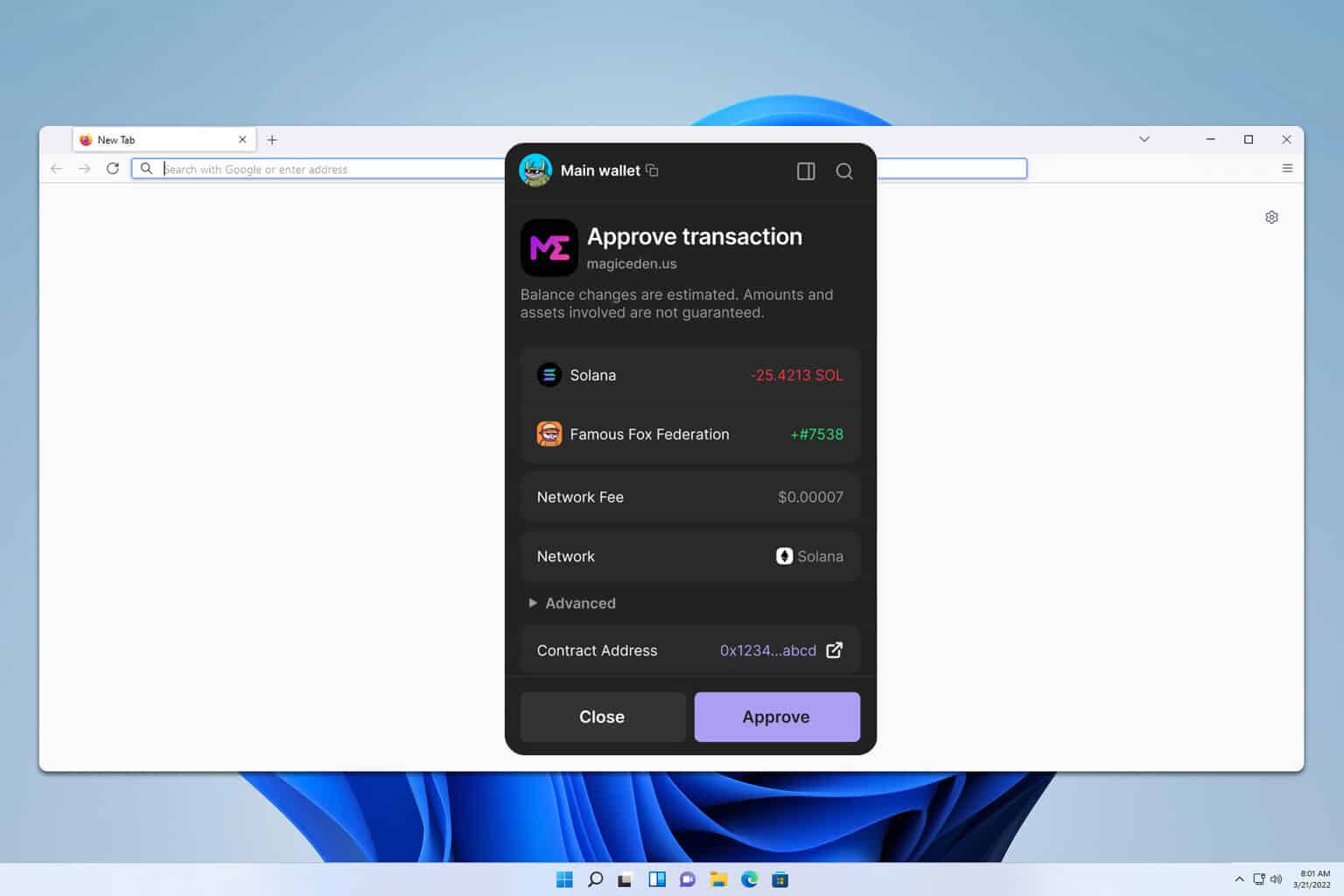
Here’s a tiny rule: treat every approval like handing someone your keys for five minutes. Wow! If a site asks to “connect” and then immediately asks for signing privileges beyond simple account view, take a breath. Most legit dApps request permission to view your address first, and then ask for transaction signatures only when you initiate a transaction.
On a technical level, transactions on Solana are fast and cheap, which lowers the barrier to experimentation—and to mistakes. My advice: read the payload. Medium-length thought. If you don’t understand what you’re signing, don’t sign it. Initially I thought “I’ll figure it out later,” but then I nearly approved a permission that would have allowed token transfer. That was a close call. I backed out and checked forums; the consensus confirmed my unease.
Also note: revoking permissions isn’t super obvious in Phantom right now (this bugs me). There are on-chain approvals and program-owned authorizations; some require separate steps to revoke. Watch for UI updates and keep a small amount of gas to revoke things when you’re done.
NFTs and marketplaces: a cautionary tale
I bought an NFT drop once in a flurry. It was late, Twitter was buzzing, and FOMO hit hard. Wow. Two days later a scam contract tried to drain approvals. I was lucky—the amount at risk was tiny. My takeaway: use a fresh wallet for minting unfamiliar projects. Seriously. A mint-wallet strategy minimizes blast radius. Set up a secondary wallet in Phantom for drops you don’t fully vet.
Also, check the smart contract address before minting or trading. Medium-length. Tools like Solscan help, and community vetting on Discord or Twitter can surface red flags fast. On the other hand community signals can be gamed; so treat social proof cautiously. I’m not 100% sure on every project’s guarantees, but this layered checking reduced my exposure.
DeFi and token swaps: speed vs. caution
Solana DeFi is fast. That speed is delightful. Really delightful. But speed can cause sloppy approvals and impulsive swaps. My habit: set a small slippage tolerance by default and raise it only when necessary for specific pools. Medium sentence. When interacting with new protocols, test with tiny amounts first. Initially I thought dev teams were all transparent, but later realized some interfaces hide complexity. Always sniff around the contract and search for audits.
And watch for rug pulls that present fake liquidity pools. There are patterns: newly created tokens with high transfer tax or admin-controlled minting. If a token’s whitepaper looks like a brochure and the team is anonymous, treat it as high risk. Use on-chain explorers to check token holders and liquidity provenance. This part is technical but doable.
Recovery and account hygiene
Write your seed phrase on paper and store it in two separate secure places. Short sentence. Consider a steel plate for fire/water resilience if you care about long-term preservation. Medium. Test your recovery on a different device (not your primary machine) to ensure you recorded it correctly—this single test avoids a cascade of regret later.
Rotate wallets if you think an address was compromised. Move funds off quickly and notify projects if your NFTs are affected. I once had a minor compromise from a phishing site, and the quick isolation of that wallet saved most assets. Use different addresses for trading, staking, and collectibles; it’s a bit more mental load but it limits damage when something goes sideways.
FAQ
Is Phantom safe for beginners?
Yes, relative to other wallet options it provides a user-friendly and secure-enough experience for small-value use. Short answer: good for learning and light trading. Long answer: pair it with good habits—seed backups, hardware wallet for big funds, careful approval behavior—and you’ll be in much better shape.
Should I keep NFTs in the same wallet I use for DeFi?
Not recommended. Segregating wallets reduces the blast radius from a compromised site or approval. Keep high-value NFTs in a wallet with minimal exposure, ideally tied to a hardware device.
What about mobile vs. browser extension?
Mobile wallets are convenient, but extensions are more integrated for browser-based dApps. If you switch between them, use strict backup practices and consider a hardware key for your main balances. I’m biased toward extensions for desktop flows and mobile for on-the-go checking, but your mileage may vary.